

The 2026 Advertising Landscape
The current advertising environment is characterized by an “attention crisis.” Users are bombarded with thousands of marketing messages every single day, and their ability to tune out generic ads has never been higher. This has forced a major shift in ad tech. We are moving away from invasive tracking and toward a model that prioritizes user experience and relevancy. In the future of paid advertising, transparency is no longer optional. Platforms are giving users more control over their data, which means marketers must work harder to earn the right to be seen. This does not mean advertising is becoming less effective. It means it is becoming more refined. The landscape now rewards brands that can deliver high-value content that feels like a natural extension of the platform the user is currently on, rather than a disruptive commercial.AI as Your Creative Partner
One of the most exciting shifts in the future of paid advertising is the role of Artificial Intelligence. For years, AI was primarily used for “behind the scenes” tasks like real-time bid optimization and A/B testing. While those functions are still critical, AI has now moved into the creative department in a massive way. Machine learning models are now capable of generating thousands of ad variations in seconds, tailoring copy and visuals to the specific preferences of individual users. This goes beyond simple automation. It is strategic augmentation. AI can analyze which colors, hooks, and calls-to-action are performing best for a specific demographic and automatically refine your creative assets for higher ROI. By leveraging AI as a creative partner, brands can achieve a level of hyper-personalization that allows them to speak to a thousand different people in a thousand different voices simultaneously.The Short-Form Video Imperative
If you are not prioritizing short-form video, you are essentially invisible to a massive portion of the market. Platforms like TikTok, Instagram Reels, and YouTube Shorts have fundamentally changed how people consume information. The future of paid advertising is vertical, fast-paced, and ultra-short. In this “15-second world,” the first three seconds of your ad are the most important. You no longer have the luxury of a slow build-up; you need an engaging hook that stops the scroll immediately. These “ultra-short” ads dominate because they align with the way users naturally browse. At May Media, we help our clients craft video ads that do not feel like ads. They feel like entertaining or educational content that just happens to be sponsored by a brand. This shift in format is a requirement for anyone looking to maintain a growing ROI in 2026.Navigating the Future of Paid Advertising with Data
With the shift away from third-party cookies, first-party data has become the ultimate secret weapon for precision targeting. You cannot rely on “borrowed” data from tech giants anymore. You must build and own your own database. The future of paid advertising depends on your ability to use the information you have collected directly from your customers – including their purchase history, website interactions, and preferences – to fuel your ad campaigns. By feeding your first-party data back into advertising platforms, you can create high-performing “lookalike” audiences that are far more accurate than generic interest-based targeting. This data-driven approach ensures that your ads are only being shown to people who are genuinely likely to convert, which is the most direct path to reducing waste and increasing your overall return on spend.The Authenticity Requirement
We have reached a point where high-production value can be a deterrent. Consumers in 2026 are increasingly skeptical of overly polished, corporate-looking advertisements. There is a growing demand for genuine, “creator-style” content that feels real, raw, and relatable. This means the future of paid advertising often looks like a brand content creator talking directly into their smartphone camera rather than a professional film crew in a studio. Authenticity builds trust, and trust drives conversions. When an ad feels like a recommendation from a peer rather than a pitch from a corporation, the engagement rates skyrocket. Brands that embrace this “unpolished” look are the ones winning the battle for attention and building long-term loyalty with a younger, more cynical audience.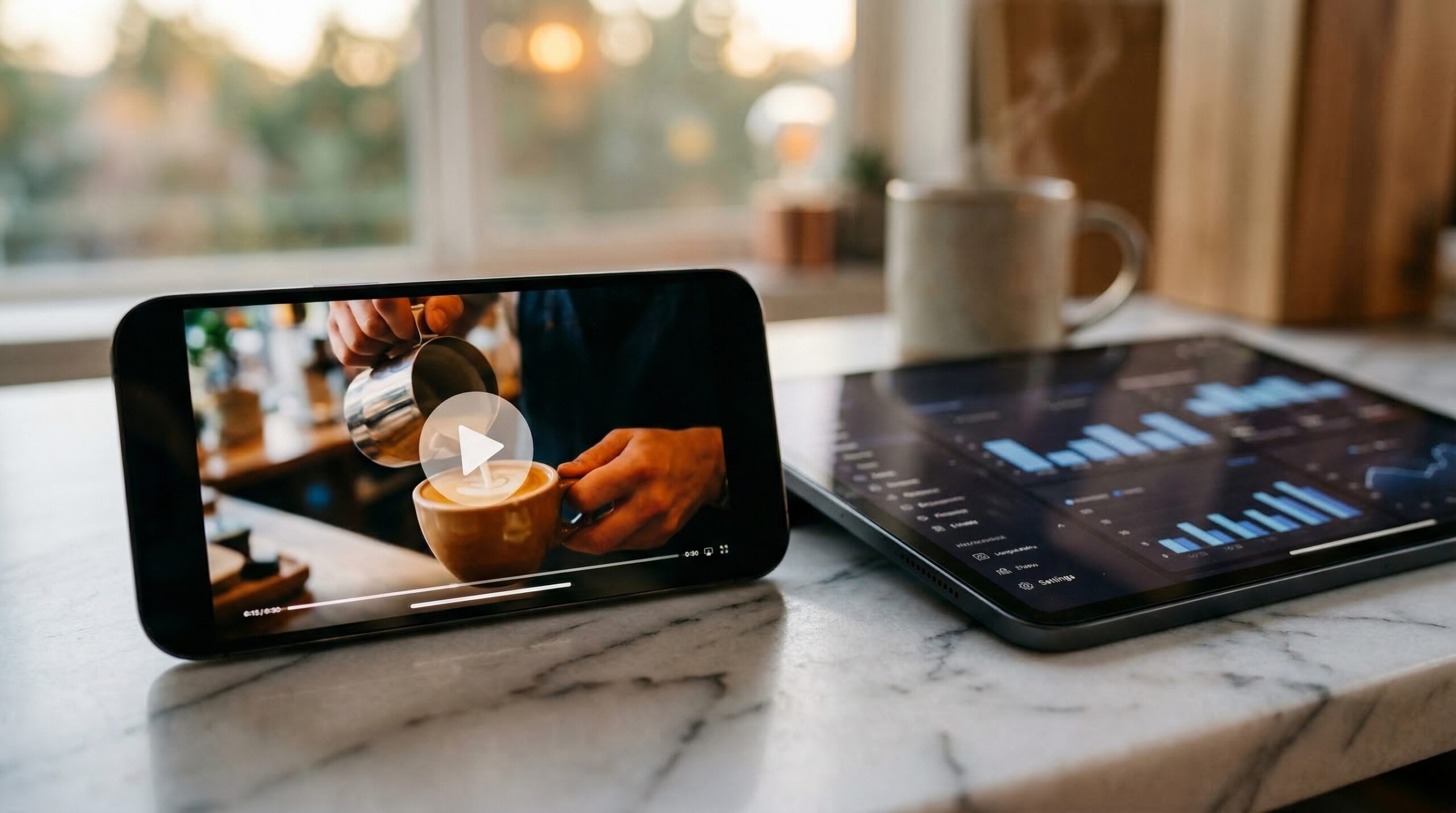
Winning the Attention Crisis
To succeed in this crowded digital space, you need a strategy that ensures your ads are not just seen but remembered. This requires a multi-faceted approach that respects the user’s time and intelligence:- Hyper-Relevance: Use AI and first-party data to ensure the message is perfectly timed for the user’s current needs and specific stage in the buyer journey.
- Visual Excellence: Even “authentic” content needs to be visually stimulating, high-quality, and perfectly optimized for vertical viewing on mobile devices.
- Clear Value: Don’t just ask for a sale immediately; offer something of value – whether it is useful information, quick entertainment, or an exclusive offer – within the ad itself.
- Seamless Experience: Ensure that the ad leads to a landing page that is as fast, intuitive, and mobile-friendly as the ad itself to prevent drop-offs.
The Evolution of Ad Spend Optimization
In the past, optimizing a campaign meant looking at spreadsheets once a week. In the future of paid advertising, optimization happens in milliseconds. Predictive analytics now allow us to anticipate market trends before they fully manifest, allowing brands to shift budgets toward high-performing channels instantly. This level of dynamic resource allocation is what keeps ROI growing even as platform costs fluctuate. We are also seeing a shift toward “omnichannel” paid strategies. Your search ads, social ads, and video content can no longer exist in silos. They must work together, sharing data and creative cues to create a unified brand story. When a customer sees a consistent, helpful message across every platform they visit, the path to purchase becomes much shorter and much more likely.Master Your Paid Strategy
The landscape of paid media is more complex than ever, but the rewards for those who get it right have never been higher. If you are ready to stop chasing old trends and start leveraging the future of paid advertising, May Media is here to lead the way. We combine cutting-edge AI tools with deep strategic expertise to ensure your brand does not just spend money but grows. Contact us today to learn how we can optimize your ad spend for the 2026 market and beyond.FAQs
What is shaping the future of paid advertising in 2026?
The future of paid advertising is being driven by artificial intelligence, short-form video, and first-party data. Changes in privacy regulations and consumer behavior have reduced the effectiveness of traditional targeting, forcing brands to adopt more relevant, transparent, and personalized advertising strategies.
How is artificial intelligence changing paid advertising performance?
AI now plays a central role in both optimization and creative development. It can analyze user behavior, generate multiple ad variations, and refine messaging in real time to improve engagement and conversion rates. This allows brands to achieve a level of personalization and efficiency that was not possible with manual campaign management alone.
Why is short-form video essential for paid media success?
Short-form video aligns with how users consume content on platforms like TikTok, Instagram Reels, and YouTube Shorts. These fast, vertical formats demand immediate engagement and reward brands that deliver value within the first few seconds. Ads that feel native, entertaining, or educational consistently outperform traditional, long-form commercials.
What role does first-party data play in paid advertising ROI?
First-party data has become essential as third-party cookies decline. By using data collected directly from customers – such as website behavior, purchase history, and preferences – brands can build more accurate audiences and reduce wasted ad spend. This approach leads to higher conversion rates and more sustainable ROI over time.
How can brands stay competitive as paid advertising continues to evolve?
Brands must move beyond reactive campaign management and adopt a unified strategy that combines AI-driven optimization, authentic creative, and centralized data. Staying competitive means testing new formats, aligning ads with user experience, and continuously refining strategy based on real performance insights rather than outdated assumptions.