

Influencer marketing has fundamentally changed the way brands connect with their audiences. If your business is still relying exclusively on traditional advertising to reach new customers, you’re missing out on one of the most powerful shifts in modern marketing. The creator economy isn’t a passing trend, it’s a completely new landscape where trust, authenticity, and personal connection drive purchasing decisions.
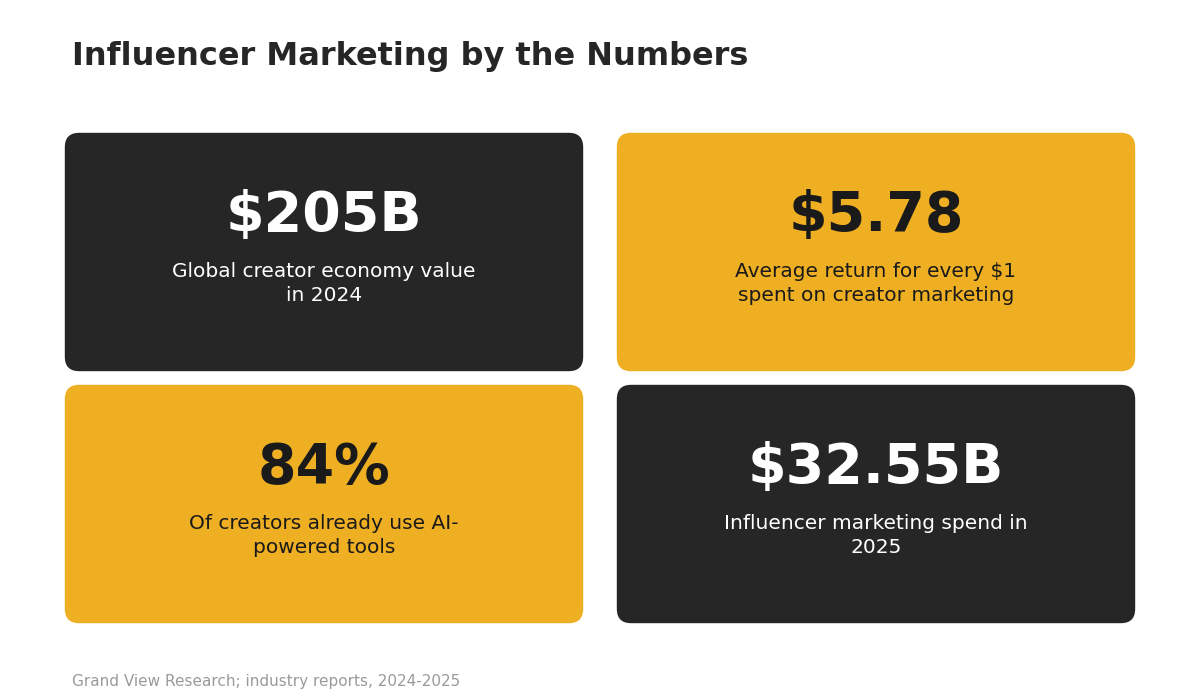
The numbers speak for themselves. According to Grand View Research, the global creator economy was valued at over $205 billion in 2024 and is projected to grow at a compound annual rate of more than 23 percent through 2033. Influencer marketing alone hit $32.55 billion in 2025. For brands willing to invest in genuine creator partnerships, the opportunity has never been bigger.
Beyond Traditional Influencers: The Rise of Micro-Creators and Business Influencers
When most people hear “influencer marketing,” they picture celebrities with millions of followers posting glossy product photos. But the most effective influencer marketing strategies in 2026 look very different. The real magic is happening with micro-influencers and niche business creators, people with smaller, highly engaged audiences who carry genuine authority in their space.
Creators with smaller followings consistently deliver higher engagement rates than mega-influencers, and they’re far more accessible from a budget perspective. Meanwhile, business influencers, think industry thought leaders, consultants, and professionals who create content around their expertise, are becoming invaluable for B2B brands looking to build credibility and generate leads.
Why Smaller Audiences Often Deliver Bigger Results
It comes down to trust. A fitness coach with 15,000 dedicated followers recommending a protein brand carries more weight than a celebrity endorsement that feels transactional. These micro-creators have built genuine relationships with their audiences, and when they vouch for a product, it feels like advice from a friend, not an advertisement. For brands, this translates to higher conversion rates and more meaningful customer relationships.
Authentic Collaborations: Building Genuine Relationships Between Consumers and Creators
The key word in successful creator partnerships is “authentic.” Audiences are savvy enough to spot a forced collaboration from a mile away, and nothing kills trust faster than a creator promoting something they clearly don’t use or believe in. The best brand-creator relationships feel natural because they are natural.
Rather than handing a creator a script and asking them to read it, the most successful brands give creators room to integrate products into their content in a way that feels organic to their audience. This means selecting creators whose values and interests genuinely align with your brand, then trusting them to communicate your message in their own voice. When the fit is right, the content resonates, and it doesn’t feel like an ad.
Measuring Creator ROI: Proving the Value of Partnerships
One of the biggest challenges brands face with influencer marketing is measurement. Unlike a paid search campaign where you can track clicks and conversions down to the penny, creator content often influences purchases in less direct ways. Someone might see a creator’s recommendation today and buy the product two weeks later through a completely different channel.
Moving Beyond Vanity Metrics
Likes and follower counts are easy to track but don’t tell you much about actual business impact. Smart brands are shifting toward metrics that matter: conversion rates from affiliate links, incremental lift in sales during campaign periods, and long-term customer acquisition costs. Brands that invest in creator marketing report an average return of $5.78 for every dollar spent, with top-performing campaigns generating even higher returns. The trick is setting up proper tracking from the start and giving campaigns enough time to show their full impact.
AI in Creator Marketing: Smarter Discovery and Campaign Management
Finding the right creators used to be a time-consuming manual process involving hours of scrolling through profiles and hoping you stumbled on a good fit. AI has changed the game entirely. Modern platforms use machine learning to analyze audience demographics, engagement patterns, content themes, and even brand alignment to recommend creators who are the best match for your specific goals.
With 84 percent of creators already leveraging AI-powered tools in their own workflows, the expectation is that brands will match this sophistication. AI can also automate campaign reporting, track content across multiple platforms, and flag when creator-generated content is driving spikes in engagement or conversions, freeing your team to focus on strategy rather than spreadsheets.
Strategic Brief Alignment: Setting Creators Up for Success
A great creator partnership starts with a great brief. The best briefs strike a balance between providing clear brand guidelines and leaving room for creative freedom. They outline your goals, key messages, and any non-negotiable requirements while encouraging the creator to use their own voice and approach.
Think of it this way: you’re hiring the creator for their unique perspective and connection with their audience. If you wanted a scripted ad, you’d produce one yourself. The value of creator content lies in its authenticity, and that only works when creators have the freedom to be themselves. Incorporate data-driven insights into your briefs, like which content formats perform best on each platform and what messaging resonates with the creator’s specific audience, but let the creator bring it to life.
Building Long-Term Partnerships Over One-Off Campaigns
One-off sponsored posts can generate short-term buzz, but the real value of influencer marketing shows up in sustained partnerships. When a creator mentions your brand consistently over weeks and months, their audience begins to associate your business with someone they already trust. This repeated, authentic exposure builds familiarity and confidence in ways that a single post simply cannot. Consider ambassador programs, recurring content series, or long-term collaboration agreements that allow the relationship, and the results, to compound over time.
Build Your Creator Marketing Strategy with May Media
Influencer marketing is only going to become more important as consumers continue to prioritize authenticity and personal connection over polished advertising. Whether you’re just getting started with influencer partnerships or looking to scale an existing program, the key is building relationships that are genuine, measurable, and strategically aligned with your business goals.
At May Media, we help businesses navigate the creator landscape with strategies built on data and real results. If you’re ready to tap into the power of creator partnerships, schedule a discovery call today and let’s create something that works for your brand.